
Beginner-Friendly Ways to Keep Greenhouse Temperatures Just Right
A greenhouse helps you create a more stable growing space for your plants. One of the most important things to manage is temperature. If the greenhouse gets too cold, plants can slow down or suffer damage. If it gets too hot, they can wilt or dry out quickly. The good news is that many tools can help control temperature automatically, even if you are new to greenhouse gardening.
Use the ideas below as a starting point. Choose the options that match your greenhouse size, power access, local climate, and the needs of your plants.
Ways to Keep a Greenhouse Warm in Winter
1. Electric space heaters: Electric heaters are one of the simplest ways to add warmth. For automatic control, choose a heater with a built-in thermostat. Set the target temperature, and the heater will turn on and off as needed. Larger greenhouses may need a bigger heater or more than one heater.
2. Thermostat-controlled outlets: If you already have a heater without a thermostat, a thermostat-controlled outlet can help. Plug the outlet into the wall, plug the heater into the outlet, set the temperature, and leave the heater switched on. The outlet controls when power reaches the heater.
3. Propane space heaters: Propane heaters are useful when your greenhouse does not have electricity. They can provide strong heat, but they require regular attention. You must make sure there is enough propane, follow the heater’s safety instructions, and provide proper ventilation.
4. Heated pots: Heated pots warm individual plants instead of the entire greenhouse. This is helpful if only a few plants need extra warmth. For beginners, this can be an easy way to protect sensitive plants without heating the whole space.
5. Soil heating cables: Soil heating cables warm the root zone directly. Some models hold the soil near a fixed temperature, such as 70°F, while others let you choose a range. These are especially useful for seed starting and young plants because warm soil helps roots grow steadily.
In warm weather, the goal is to remove hot air, increase airflow, and reduce the temperature before plants become stressed.
Ways to Keep a Greenhouse Cool in Summer
6. Auto-opening vents: Auto-opening vents open and close on their own as the temperature changes. Many do not need electricity. When the greenhouse warms up, the vent begins to open; as it cools, the vent closes again. This is a simple beginner-friendly way to add passive ventilation.
7. Thermostat-controlled fans: Fans help move hot air out and bring cooler air in. A thermostat-controlled fan turns on when the greenhouse reaches the temperature you set. Fans can circulate air inside the greenhouse or push air through vents to improve cooling.
8. Powered shutters: Powered shutters are vents that open with an electric motor. They work well when placed where natural airflow can pass through the greenhouse. When the temperature rises, the shutters open and let hot air escape.
9. Fan shutters: Fan shutters combine a fan with shutters. When the fan turns on, the airflow pushes the shutters open. When the fan turns off, the shutters close. This helps prevent unwanted airflow when cooling is not needed.
10. Greenhouse evaporative air coolers: Evaporative coolers use water and moving air to lower the temperature. A fan pushes air across wet pads, which cools the air before it enters the greenhouse. These systems cost more than basic fans or vents, so they are best for situations where strong cooling is needed.
Beginner Tips for Choosing the Right Option
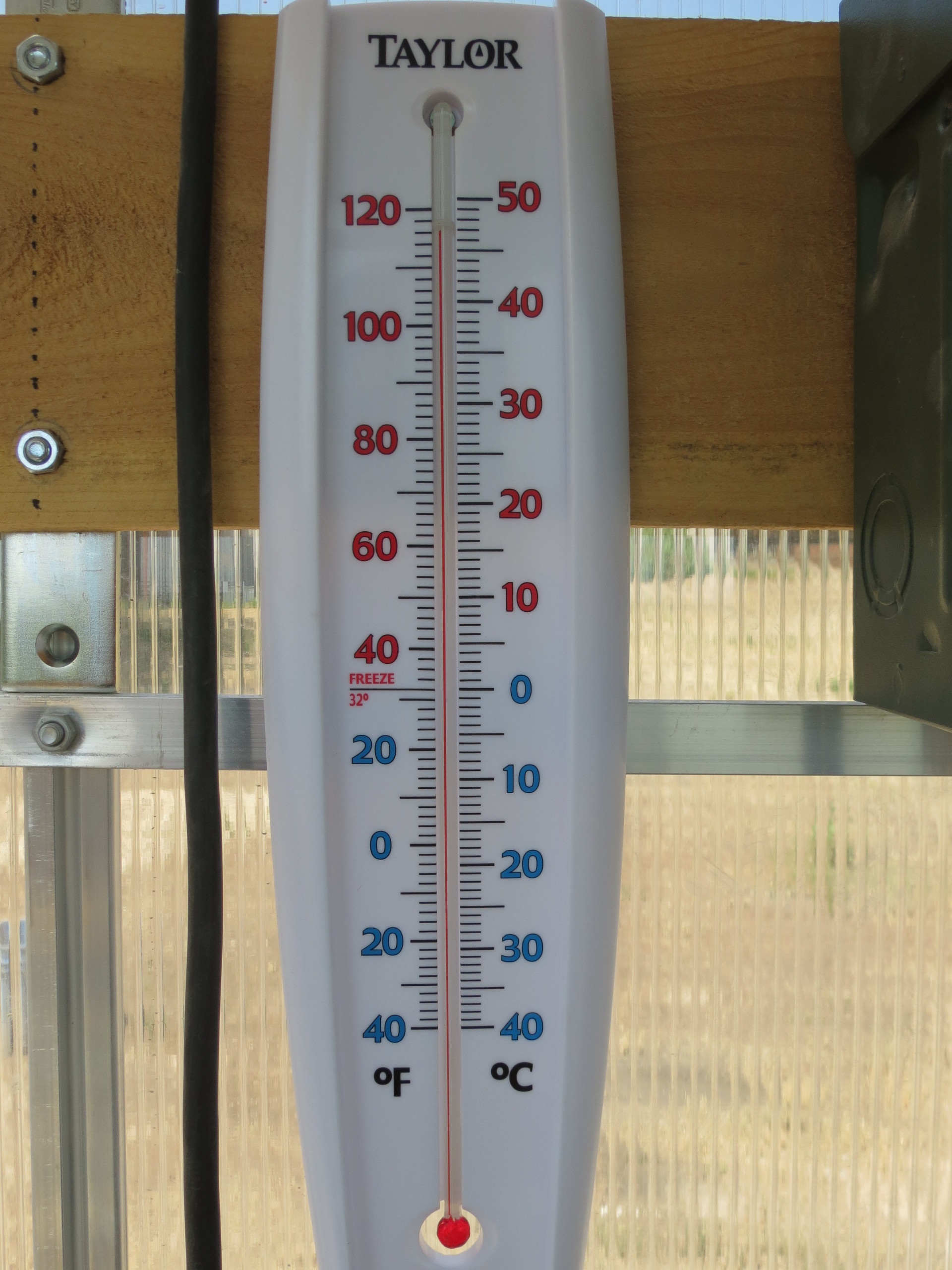
· Start simple: Begin with a thermometer, basic ventilation, and one reliable heating or cooling method.
· Match the tool to the season: Use heaters, heated pots, or soil cables in winter. Use vents, fans, shutters, or evaporative coolers in summer.
· Think about power access: Electric tools are convenient, but propane may be useful when electricity is unavailable.
· Protect the most sensitive plants first: If only a few plants need special care, targeted options like heated pots or soil cables may be enough.
· Check safety instructions: Always follow manufacturer guidance, especially with heaters, propane, electricity, and ventilation.